How Synthetic Roofing Shingles Assist Prevent Water Breach and Roof Covering Decay
Water rarely announces itself when it first surpasses a roofing system. It begins silently, frequently as a pinhole path at a bolt, a raised side at a ridge, or a fallen short blinking where two products meet. By the time a property owner notices a tarnish on drywall or a moldy smell in the attic room, the problem has actually usually moved well past the surface area. Damp decking, softened underlayment, mold development, rusted nail heads, and harmed insulation have a tendency to show up long before a ceiling spot appears.
That is why material choice matters a lot. A roof covering is not simply an attractive skin. It is a water administration system under continuous stress from sun, wind, freeze-thaw cycles, and seasonal debris. Synthetic roofing tiles have actually obtained traction for a factor. When developed and mounted properly, they offer a strong defense against the little failures that frequently bring about significant wetness problems and roofing system decay.
Homeowners looking at artificial roof coverings are generally stabilizing look, life expectancy, upkeep, and weather condition resistance. In higher-end communities, particularly where proprietors desire the look of slate or cedar without the exact same delicacy or upkeep, building artificial roof covering has ended up being a major competitor. I have seen that shift take place not due to advertising language, yet since property owners are tired of repeating repair services on materials that look beautiful yet leave way too many opportunities for water to obtain in.
Water breach begins at the weak points
Most roofs do not fall short all at once. They stop working at transitions and information. Valleys bring heavy water quantity. Smokeshafts disrupt the area of the roofing. Pipe infiltrations rely on boots and sealers that age. Sides capture wind uplift. Ice dams back water uphill under roofing system coverings in chillier environments. In position with snow, wind, and fast temperature level swings, these powerlessness are tested constantly.
Traditional roof products can do effectively, but each has vulnerabilities. All-natural wood can split, crinkle, or absorb wetness. Some standard roof shingles shed granules, split, or end up being weak after years of ultraviolet exposure. Natural slate is long lasting, but it can break under effect or foot traffic, and repair services commonly become specialized and pricey. As soon as individual pieces fracture or shift, water starts utilizing those tiny openings.
Synthetic roof covering shingles are crafted to decrease several of those threats at once. They are usually made from advanced polymer blends, recycled composite materials, or rubber-plastic formulations made for dimensional security. That security matters. A roof product that withstands cracking, splitting, and warping is much less likely to open a course for water.
The phrase costs synthetic roof gets made use of usually, and often too loosely, but at the much better end of the classification, the advantages are genuine. Higher-grade products often tend to have tighter production tolerances, far better impact ratings, stronger side accounts, and extra regular attachment efficiency. Those are not fancy attributes from the street. They are the surprise information that maintain rainfall outside.
Why the roof shingles itself matters much less than the entire shedding system
People often focus on the visible roof shingles and overlook how the roof covering really safeguards the house. A good roof drops water in layers. The visible tiles are the initial line. Beneath them, underlayment provides backup security. Flashings direct water far from at risk joints. Air flow minimizes moisture buildup from inside the home. Correct fastening holds the area undamaged in wind. Starter materials and ridge elements close gaps at the edges and peaks.
The ideal artificial roof are built with this layered approach in mind. A well-crafted artificial roof shingles generally has a profile that encourages drain, overlap dimensions that lower direct exposure, and securing areas that help installers secure the product without developing avoidable weak points. When a maker has done the engineering and the installer follows that system thoroughly, the roof covering comes to be far more immune to invasion than a jumble strategy constructed from dissimilar components.
This is one reason a respectable synthetic roof firm matters. Product top quality matters, however system self-control counts equally as much. I have actually seen excellent materials underperform due to the fact that a crew treated them like a generic asphalt installment, hurried blinking job, or overlooked air flow adjustments. Water found those shortcuts quickly.
How artificial shingles withstand the problems that result in decay
Roof decay is hardly ever just about rain. It is about sustained moisture, caught dampness, and duplicated moistening that never gets a chance to dry properly. Artificial roofing tiles aid on a number of fronts.
First, they are normally non-porous or much much less absorptive than all-natural wood items. That indicates they do not take on water similarly cedar shake can. Less absorption implies less swelling, much less diminishing, and fewer possibilities for shape adjustments that open joints.
Second, numerous artificial items take care of effect well. Hail, falling branches, and foot traffic can create cracks in even more fragile products. Even a small fracture can end up being a water entry factor. Better artificial roof roof shingles typically flex rather than snap, which assists preserve the water-shedding surface.
Third, they tend to keep a more constant shape through seasonal swings. In climates with hot summers and freezing wintertimes, dimensional movement can loosen parts in time. Secure products lower that cycle of movement and stress.
Fourth, lighter weight aids in some applications. Natural slate and floor tile impose substantial structural loads. Synthetic options that resemble their look often evaluate far much less, which can streamline an artificial roof substitute and minimize the need for architectural reinforcement. That lighter weight does not directly quit leakages, yet it typically enables even more functional upgrades, cleaner installment, and safer repair work accessibility over the life of the roof.
Finally, much of these items are made with resistance to rot, insect task, and moisture wear and tear. That does not make them invincible, and it definitely does not suggest the roofing setting up can not leakage, however it eliminates one significant failure mode discovered in natural materials.
Freeze-thaw weather condition exposes every mistake
In the Midwest, and particularly around the Chicago region, freeze-thaw cycling is unrelenting. A little water that enters the incorrect location throughout the day can freeze over night, broaden, and pressure products apart. After that the following thaw lets in more water. Repeat that sufficient times and even a small defect becomes a repair service call.
That is one factor artificial roofing Chicago house owners typically choose has a tendency to be driven by performance rather than appearance alone. Ice dams, blowing snow, sideways rain off the lake, and springtime storm particles are not abstract issues here. They are yearly realities. A synthetic professional roofer Chicagoland home owners count on normally invests as much time discussing flashings, attic room ventilation, and underlayment as about the roof shingles themselves, due to the fact that regional climate punishes incomplete planning.
In Naperville and close-by suburbs, the exact same reasoning applies. A customer thinking about synthetic roof covering Naperville IL choices may start by wanting the appearance of hand-split cedar or slate. The conversation generally grows once they comprehend how much water management depends upon edge information, ventilation balance, and resilience during wintertime tornados. The visual upgrade is appealing, but the reduction in leak threat is commonly what closes the decision.
The role of overlap, profile, and attachment
The form of a shingle impacts more than visual appeal. It impacts how water conforms the roof and just how most likely it is to find a method below. Better synthetic products are made with water-shedding geometry in mind. The overlaps are not approximate. The thickness at edges, the interlock or positioning attributes in some designs, and the direct exposure dimensions all influence performance.
Attachment issues just as much. If a roof shingles is under-fastened, over-fastened, or nailed outside the designated area, wind can distort it or raise it sufficient to confess driven rainfall. That is why synthetic roofing installers need product-specific training. A product that looks basic from the ground can have specific attachment patterns and spacing needs that vary from conventional shingles or natural products.
I bear in mind a fixing assessment on a huge custom-made home where the owners assumed the synthetic item itself had actually fallen short. The problem ended up being installer error. Bolts were placed too expensive, several ridge details were improvised, and chimney flashing had been embeded cosmetically rather than incorporated correctly. The roof shingles still looked nearly new, yet water had been going into for more than a period. The lesson was clear. Costs product can not save reckless installation.
Synthetic roof covering and deluxe homes
There is a reason artificial roof for high-end homes has actually broadened so swiftly. Premium residences typically have complex rooflines, high pitches, dormers, turrets, long valleys, and attractive details that increase leakage chances. They likewise have a tendency to include indoor surfaces that are expensive to fix as soon as moisture gets in. A discolor on drywall is one thing. Water moving into custom-made millwork, plaster, insulation behind stone veneer, or basilica ceiling settings up is another.
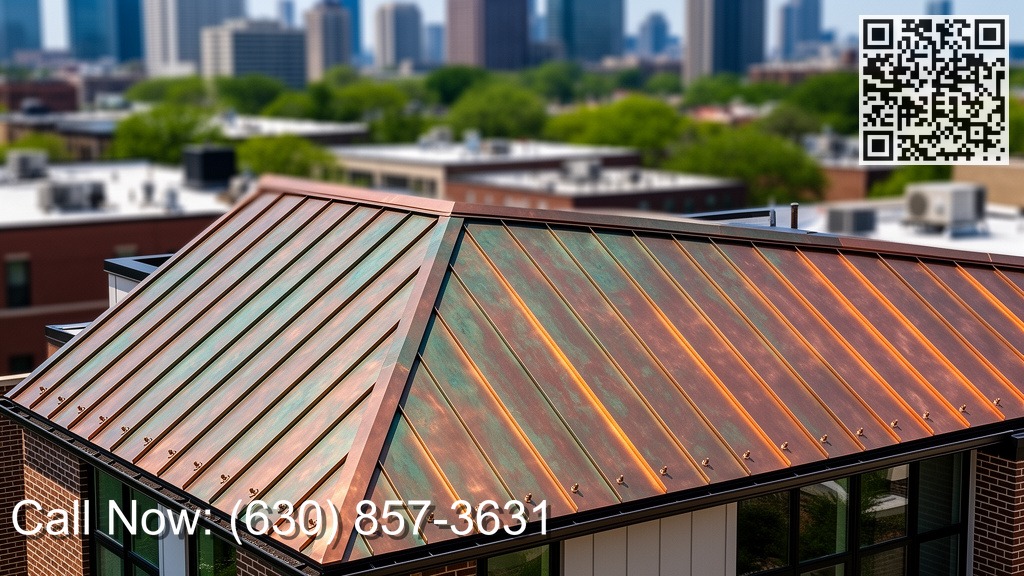
Architectural artificial roof covering fits this market well since it can duplicate exceptional all-natural products while enhancing impact resistance and decreasing upkeep. On a large home, that upkeep distinction builds up fast. Less damaged pieces, fewer moisture-related repair services, and easier sourcing for future solution work all aid protect the structure envelope.
Aesthetics still matter. Owners want shadow lines, structure, and dimensional depth. The far better products supply that. But the sensible win is that these tiles are usually a lot more forgiving in extreme weather than the materials they copy. That does not imply every artificial product belongs on every luxury home. Some lower-grade lines look level up close or do not have the heft anticipated on a costs residential property. Still, when the right product is selected, the blend of look and dampness protection is hard to ignore.
Where leakages still occur, despite having great materials
No roofing product gets rid of all threat. Water invasion can still occur on synthetic roofs if the design or installment is weak. One of the most usual difficulty areas recognize across all roofing system kinds:
- Chimneys, skylights, and plumbing infiltrations with poorly incorporated flashing
- Valleys where high water quantity bewilders shortcuts in underlayment or steel job
- Eaves prone to ice damming without sufficient membrane layer defense
- Ridge and hip information where air flow elements are set up incorrectly
- Transitions right into wall surfaces, dormers, or low-slope sections that need different waterproofing strategies
Those weak points are why an experienced artificial roofer approaches the task as an envelope system, not a shingle swap. The right team ought to be asking about attic room moisture, insulation depth, existing deck condition, bathroom vent discharge, rain gutter ability, and exactly how water leaves the property after it reaches the ground. If they are only speaking color and design, they are missing the real defense work.
Installation quality makes a decision whether the roofing system performs
Synthetic roofing system setup is entitled to even more interest than it often enters sales discussions. Some house owners think installation is uncomplicated due to the fact that the material is lighter than slate or tile. In one sense, yes, lighter products are usually less complicated to take care of. Yet simpler handling ought to not be confused with easier detailing.
A disciplined installer examines the outdoor decking thoroughly prior to brand-new products take place. If the substrate is soft, delaminated, or unequal, no tile will certainly lie and seal appropriately over it. Rotten sheathing should be changed. Suspicious air flow should be remedied. Blinking should be reconstructed, not simply covered over. Ice and water membrane belongs in the ideal locations, specifically in cooler regions. Bolt type and size have to match both the item and the deck.
This is where a qualified artificial roof firm separates itself from a basic staff dabbling in a newer classification. The most effective synthetic roof installers recognize which items can take care of tighter distance information, which need specific spacing in winter, and exactly how supplier requirements influence guarantee protection. They likewise know when a residence requires greater than a cosmetic upgrade. If the existing ventilation is driving condensation into the attic all winter, brand-new tiles alone will certainly not quit decay.
For property owners contrasting bids, uncommonly reduced rates commonly signals left out steps. Decking replacement allocations are as well tiny. Flashing is assumed to continue to be. Vent upgrades are not included. Beginner and ridge accessories are substituted with common parts. Those choices may conserve money ahead of time, yet they are exactly where future leakages begin.
The repair cycle synthetic roof covering can aid avoid
Many property owners get to synthetic roofing substitute after enduring the very same problems repeatedly. A few missing pieces after a tornado. A little leakage around a valley. A service provider patches one area, after that another problem shows up the following winter months. At a certain factor, the roofing is not falling short as a result of one remarkable occasion. It is stopping working due to the fact that the setting up has reached the phase where little weak points are everywhere.
Synthetic roof tiles https://angelouhfu895.bearsfanteamshop.com/residential-synthetic-roof-covering-solutions-for-long-lasting-midwest-defense can disrupt that cycle by using a much more secure external layer, especially on homes where the previous product was at risk to breaking, splitting, or moisture uptake. If the substitute also consists of upgraded flashings, improved air flow, and membrane layer protection at prone locations, the distinction can be substantial. Interior moisture issues typically go down. Attic odor enhances. Seasonal repair calls ended up being less frequent.
The price inquiry is genuine, naturally. Costs synthetic roof usually sets you back greater than conventional asphalt products, in some cases meaningfully more depending on the profile, roof covering intricacy, and area. However contrasting products by square-foot price alone misses out on the bigger image. Drip repairs, indoor repair, duplicated upkeep check outs, and shortened substitute cycles have expenses also. On homes with complex style or premium interiors, avoiding one major water event can warrant a lot of the upgrade.
What property owners need to ask before authorizing a contract
Good concerns expose whether a professional recognizes dampness security or is merely offering a look. These are the conversations worth having early:
- How will you deal with blinking substitute at chimneys, wall surfaces, skylights, and valleys?
- What underlayment and ice obstacle strategy do you suggest for this roofing and this climate?
- Will you inspect and replace harmed decking where required, and exactly how is that valued?
- How does the attic air flow carry out now, and do you recommend adjustments?
- Which synthetic roofing systems have you installed continuously, and what has stood up ideal in neighborhood weather condition?
Those answers inform you a lot. A dependable artificial roofer must fit reviewing failing factors in detail, not just functions and finishes.
Why this matters in older housing stock
Older homes provide a diplomatic immunity. Lots of have uneven framing, multiple reroof layers somewhere in their history, out-of-date venting, or additions that changed exactly how water and air step with the framework. On these homes, synthetic roofing tiles can be an excellent choice due to the fact that they provide the visual character proprietors desire without adding the structural worry of hefty natural materials.
At the same time, older homes punish presumptions. Flashings hidden under old home siding might be insufficient. Smokeshaft saddles might never ever have been set up. Low-slope deck areas might need a different roof membrane layer entirely. A cautious artificial roofing setup on an older home typically includes more diagnostic work than expected. That is not a drawback. It is just how you protect against concealed dampness from proceeding its work after the visible roofing has actually been upgraded.
I have actually seen home owners take a breath easier after these tasks, not since the roof looked better, although it generally did, but because the attic room finally remained dry after a gusty tornado. That is the actual criteria. The roof should vanish from your checklist of worries.
A smarter way to think of durability
Durability is frequently misconstrued as a straightforward life-span number. House owners ask the amount of years a roofing will last, and that is practical, but life span suggests more than surviving theoretically. A durable roof covering maintains water out constantly, withstands common resources of damage, remains repairable, and holds its shape and add-on via climate extremes.
That is where household synthetic roof covering earns interest. It commonly offers homeowners a center course between standard asphalt and high-maintenance natural materials. The much better products can mimic slate or tremble convincingly, stand up to effect well, and add to a roof setting up that stays dry when it matters most. For homes in demanding climates, or for owners that desire raised layout without inviting reoccuring moisture concerns, that combination is compelling.
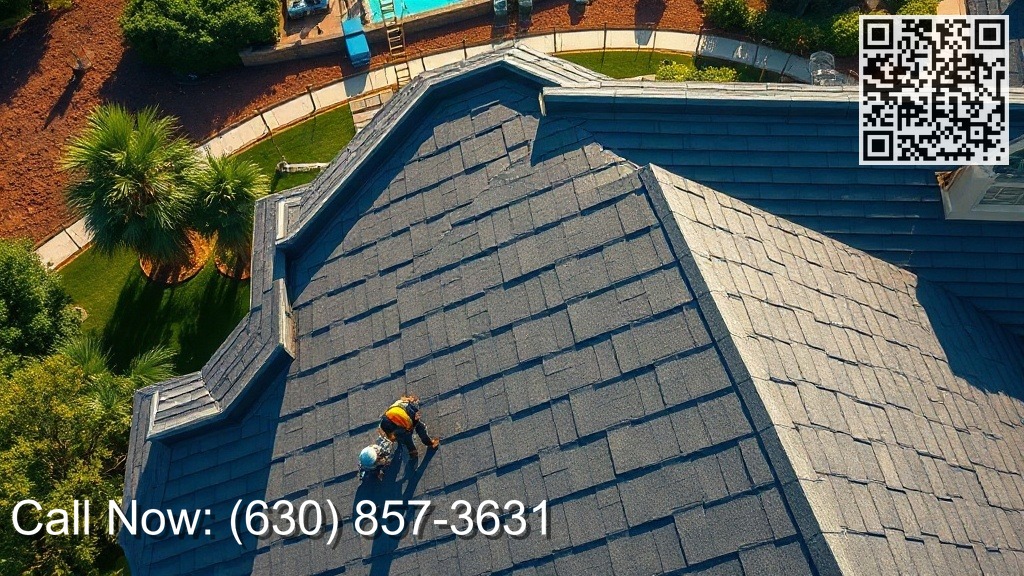
Synthetic roofings are not magic. They can not compensate for problematic layout, neglected rain gutters, blocked soffit vents, or inadequate blinking. However when paired with proper detailing and competent handiwork, they minimize numerous of the material-related susceptabilities that bring about water invasion and rot. In useful terms, that suggests less openings for water, less moisture kept in the roofing system covering itself, and a far better chance that the framework beneath stays audio for decades.
That is the goal every roofing system must offer. Not simply to look completed from the curb, however to keep the structure dry, stable, and intact via the weather condition it really deals with. Synthetic roof covering tiles, especially when used in thoughtfully made artificial roofing systems, have verified they can do that work extremely well.
When Quality Matters
Salvo Architectural Roofing Contractors
566 West 5th Ave Naperville, IL 60563
(630) 857-3631
 Ask ChatGPT
 Ask Grok
 Ask Perplexity
 Ask Claude
 Ask Google AI
 Ask You